Full Grain vs Top Grain Leather: Genuine and Bonded Leather Explained
The full grain vs top grain leather question comes up the moment you shop for anything made of hide, from a wallet to a jacket, and the labels rarely explain what you are actually paying for. This guide breaks down the four grades you will see most often, full grain, top grain, genuine and bonded, so you can judge quality with confidence before you buy.
In this guide
- How Leather Grades Work
- Full Grain Leather: The Top of the Range
- Top Grain Leather: Refined and Practical
- Genuine Leather and Bonded Leather Explained
- Full Grain vs Top Grain Leather: Which Should You Choose?
- Leather Grades FAQs
- Shop Handcrafted Leather Wallets
How Leather Grades Work
A cowhide is thick, so tanneries usually split it horizontally into layers. The outermost layer, just beneath the hair, is called the grain. Its fibers are the densest and most tightly packed, which makes it the strongest and most durable part of the hide.
Below the grain sits the corium, a looser layer of fibers. Leather cut from these lower layers is called split leather. It is still real leather, but it is weaker and less water resistant than the grain.
Every grade name you see on a product label describes which layer was used and how much its surface was altered. Once you understand that, the full grain vs top grain leather debate becomes much easier to follow.
In short, from strongest to weakest, the usual order is full grain, top grain, genuine (split) leather and bonded leather. Tanning method, thickness and craftsmanship also matter, so grade is the starting point for judging quality rather than the whole story.
Full Grain Leather: The Top of the Range
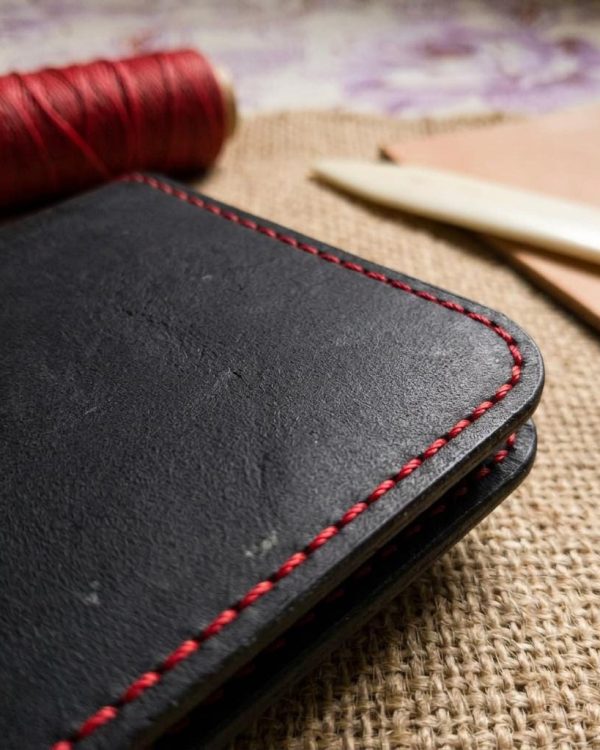
Full-grain leather keeps the entire grain layer intact. The surface is not sanded or buffed, so you can see natural markings like pores, small scars and variations in texture. Those marks are not flaws; they are proof that nothing was hidden.
- Strongest grade: the dense, untouched fibers resist tearing and stretching.
- Develops patina: it darkens and softens with use, gaining character over years.
- Breathes well: fewer surface coatings mean it feels more comfortable against the body.
- Trade-offs: it costs more and may show scratches early, though many owners see that as part of the charm.
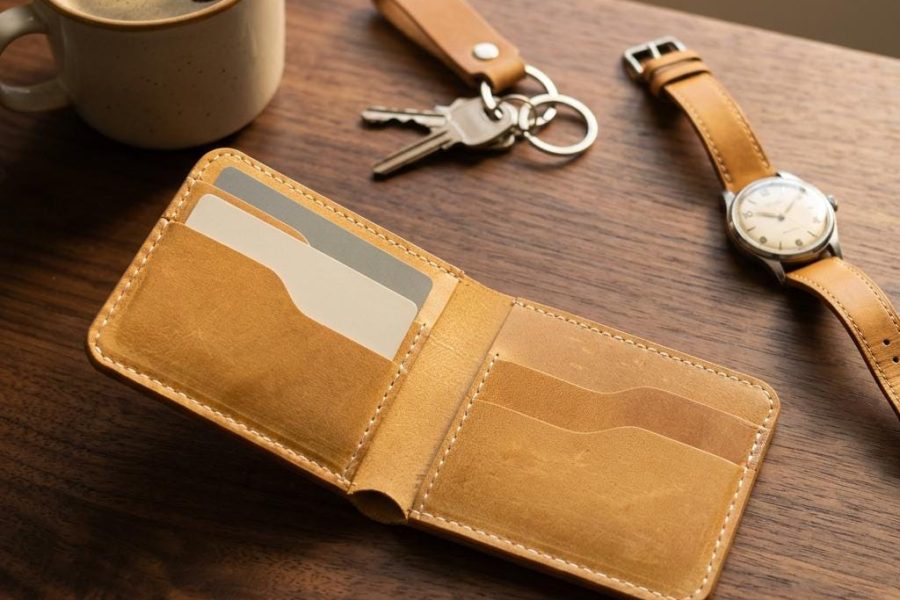
Because it holds up to daily handling, full grain is a natural fit for items you carry constantly. When you browse our leather wallets and card holders, check each product description for the specific leather used so you know exactly what you are getting.
Top Grain Leather: Refined and Practical
Top-grain leather also comes from the upper layer of the hide, but its surface has been lightly sanded or buffed to remove imperfections. A finish coat is then usually applied, sometimes with an embossed grain pattern for uniformity.
- Smoother, more even look: great when you want a clean, consistent finish.
- More stain resistant at first: the finish coat helps shed spills.
- Softer and more pliable: often used for jackets and handbags that need drape.
- Less patina: the sanded, sealed surface does not age as dramatically as full grain.
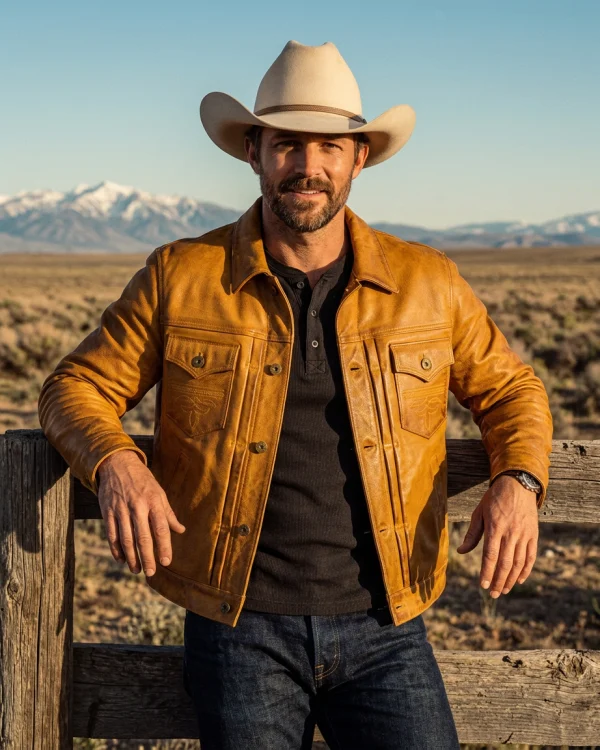
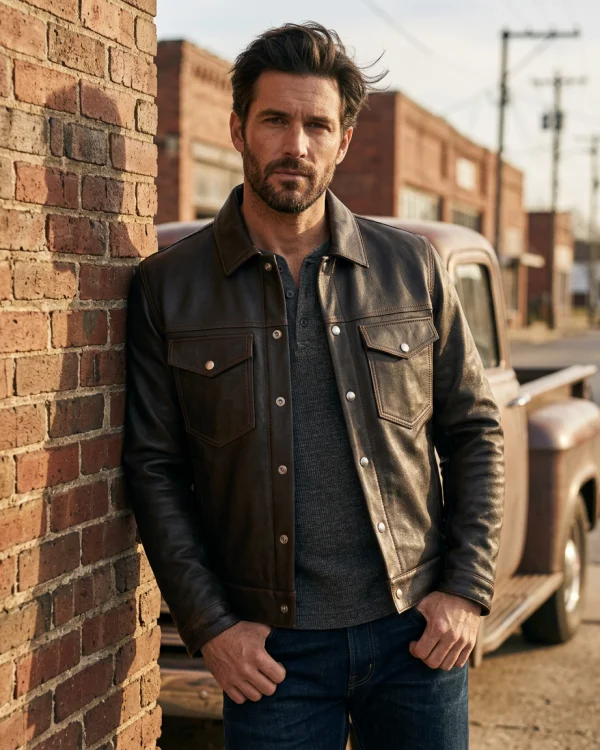
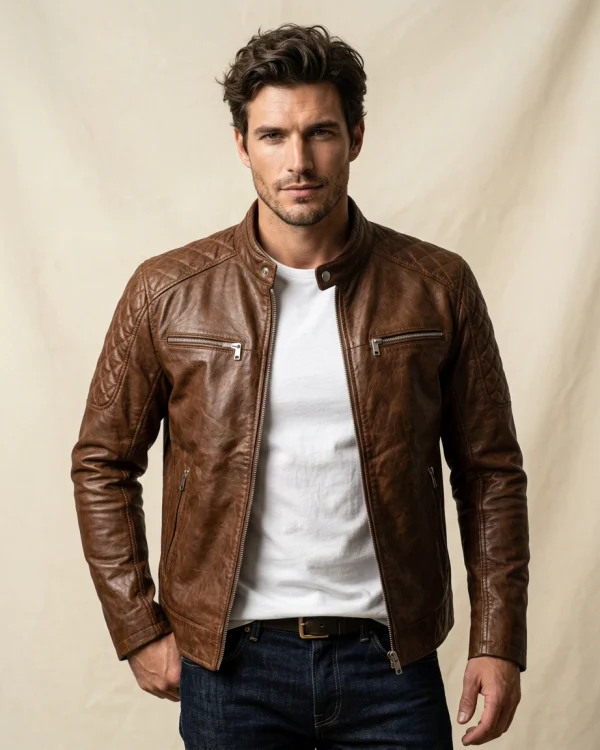
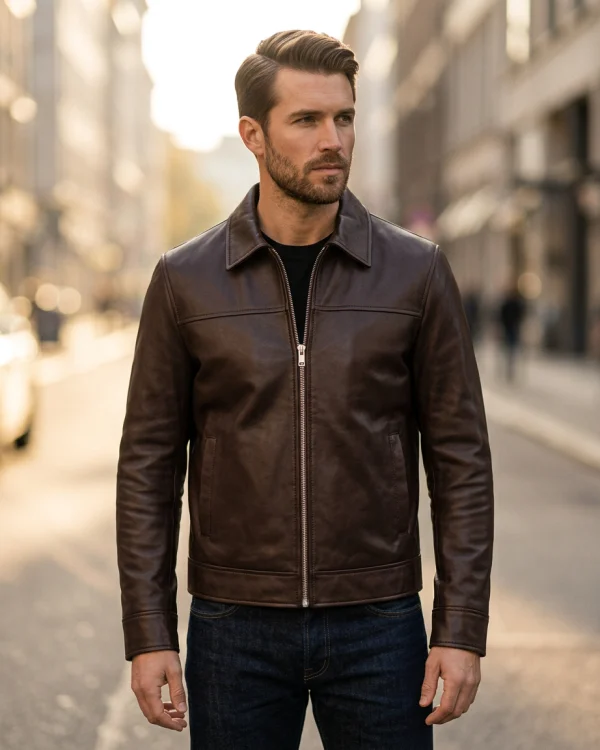
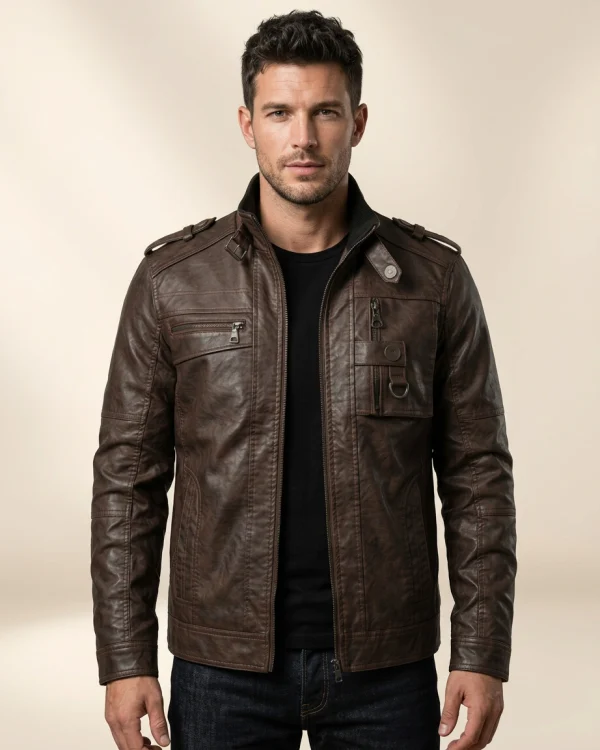
Top grain is still a quality material. It simply trades a little character and long-term toughness for a polished appearance. Many well-made leather jackets use top-grain or soft full-grain hides because comfort and movement matter in a garment. If you are weighing options for outerwear, our guide to choosing a leather jacket covers fit and style alongside leather type.
Genuine Leather and Bonded Leather Explained
What Genuine Leather Really Means
Here is where labels get confusing. Genuine leather is real leather, but in retail the term is often used for lower grades, typically split leather taken from beneath the grain. That split is frequently sanded, coated and embossed to imitate a premium surface.
It can be fine for budget belts or linings, but it tends to wear faster, crack sooner and never develops a true patina. If a product says only “genuine leather” and nothing more specific, it is worth asking which grade was used.
What Bonded Leather Is
Bonded leather is made from leather scraps and fibers that are shredded, mixed with a binder such as polyurethane and pressed onto a fabric or paper backing. The surface is then embossed to look like leather. The actual leather content varies by manufacturer, and you can read more about how bonded leather is produced and labeled on Wikipedia.
Bonded leather is inexpensive, but it is the least durable of the four. It can peel or flake with regular use and generally cannot be repaired or reconditioned the way real hide can.
Full Grain vs Top Grain Leather: Which Should You Choose?
The right grade depends on how you will use the item and what you value most. Here is a quick way to decide.
- Choose full grain for wallets, bags, belts and anything you want to keep for many years. It is the best long-term value.
- Choose top grain when you want a uniform, polished look or a softer drape, such as a dress jacket or structured handbag.
- Treat genuine leather with caution and ask what layer it comes from.
- Avoid bonded leather for anything you expect to handle daily.
A simple test helps in person: look closely at the surface. Visible pores and slight irregularities usually mean full grain. A perfectly uniform, plastic-like sheen suggests a heavily corrected or coated surface.
Leather Grades FAQs
Is full grain vs top grain leather a big difference in durability?
Yes, for items that see heavy use. Full grain keeps the strongest fibers intact, so it generally outlasts top grain. For lightly used pieces, the gap matters less.
Which is better for a leather jacket?
Both can make an excellent jacket. Full grain offers the most durability and character, while top grain often feels softer from day one. When comparing full grain vs top grain leather for outerwear, think about whether you value rugged aging or a smooth, even finish.
Does full-grain leather scratch easily?
It can show light scuffs, especially when new. Most fade with handling and a little conditioner, and they blend into the patina over time.
Is genuine leather fake?
No. It is real leather, but the term is often used for lower-grade split leather. It is not the same quality as full grain or top grain.
Shop Handcrafted Leather Wallets
Now that the full grain vs top grain leather difference is clear, see what quality hide feels like in your pocket. Our wallets and card holders are handcrafted in Pakistan from real leather and made to age beautifully with daily use.
-
Wallets & Card Holders
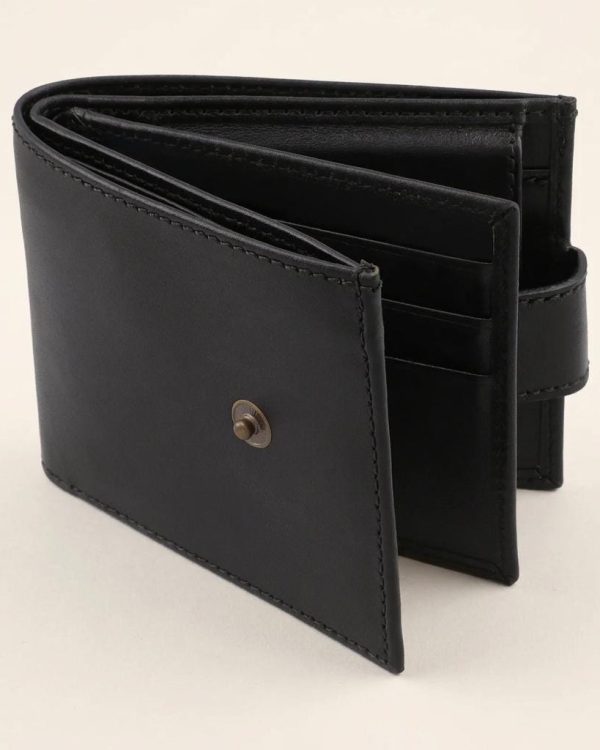
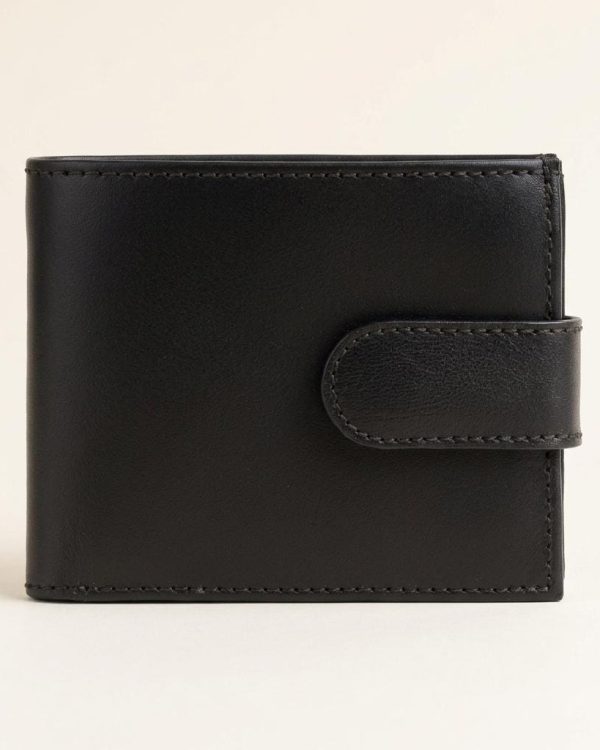
Black Leather Bifold Wallet with Snap Tab and Coin Pocket
- Black
-
Wallets & Card Holders
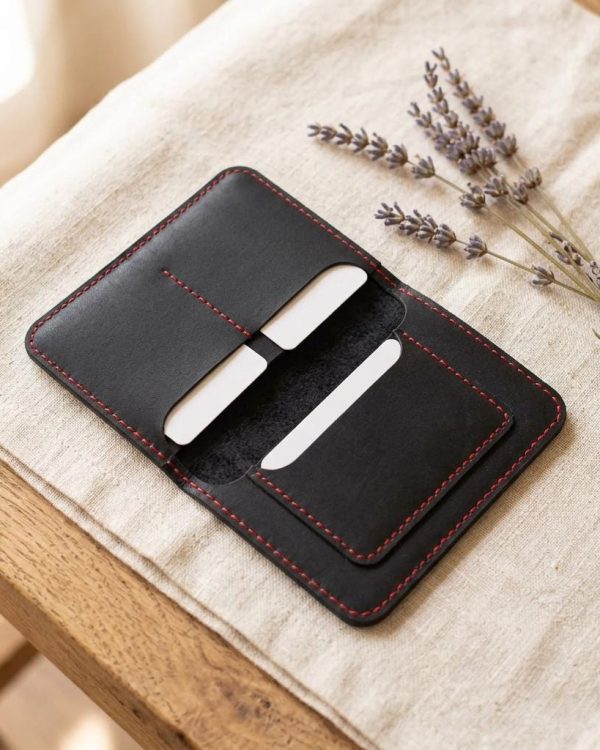
Black Leather Vertical Bifold Card Wallet with Red Stitching
- Black
-
-
Wallets & Card Holders
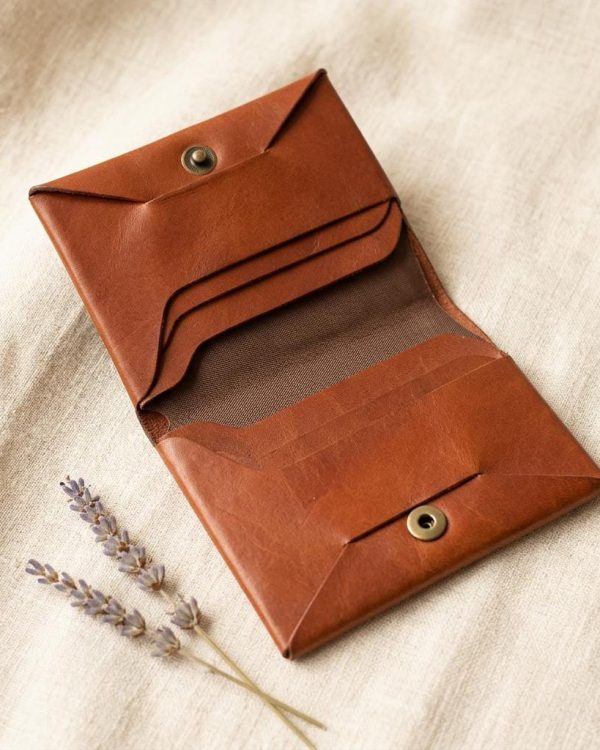
Cognac Leather Stitchless Wallet, Origami Fold Design
- Cognac
2 comments